1Functional profiling
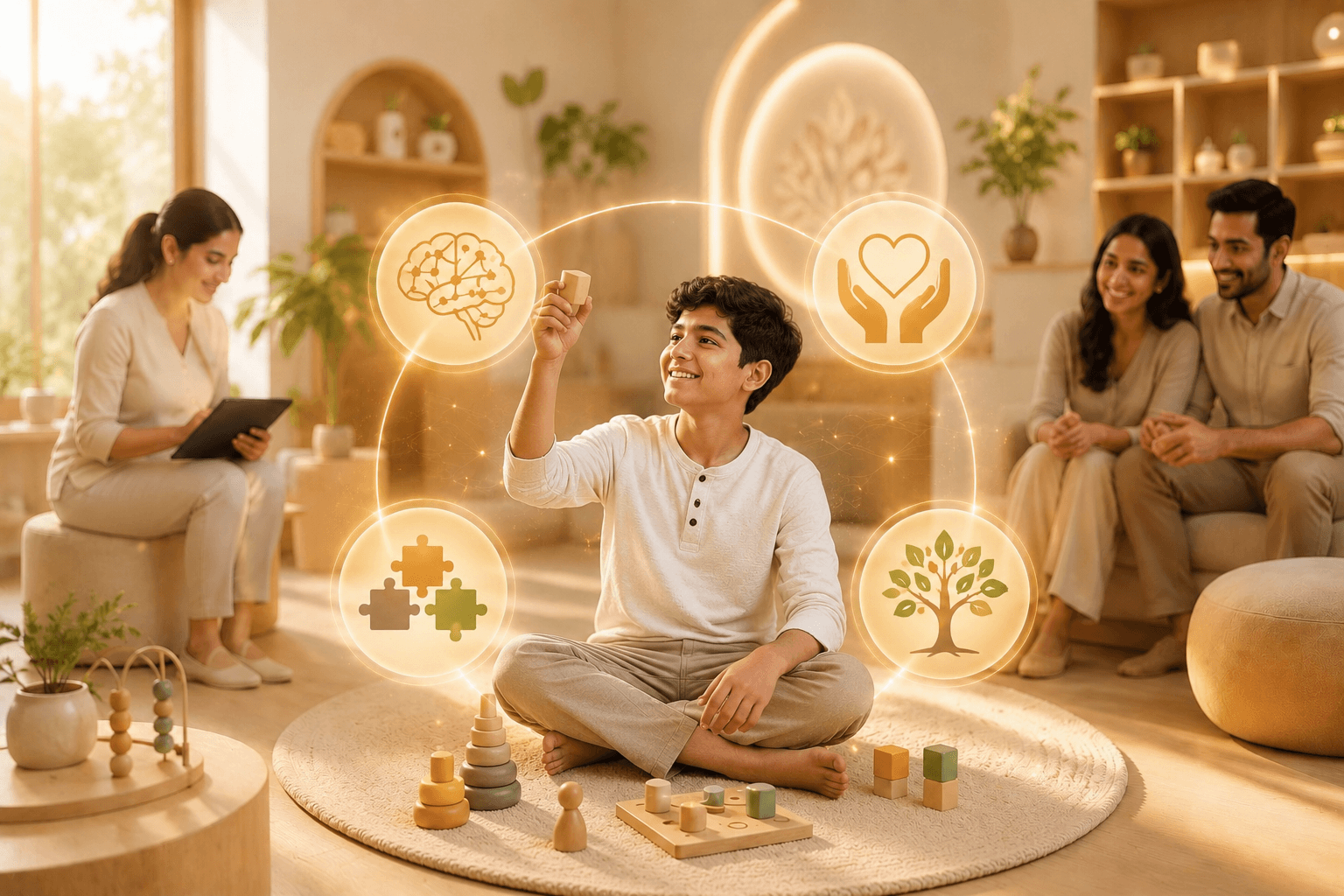
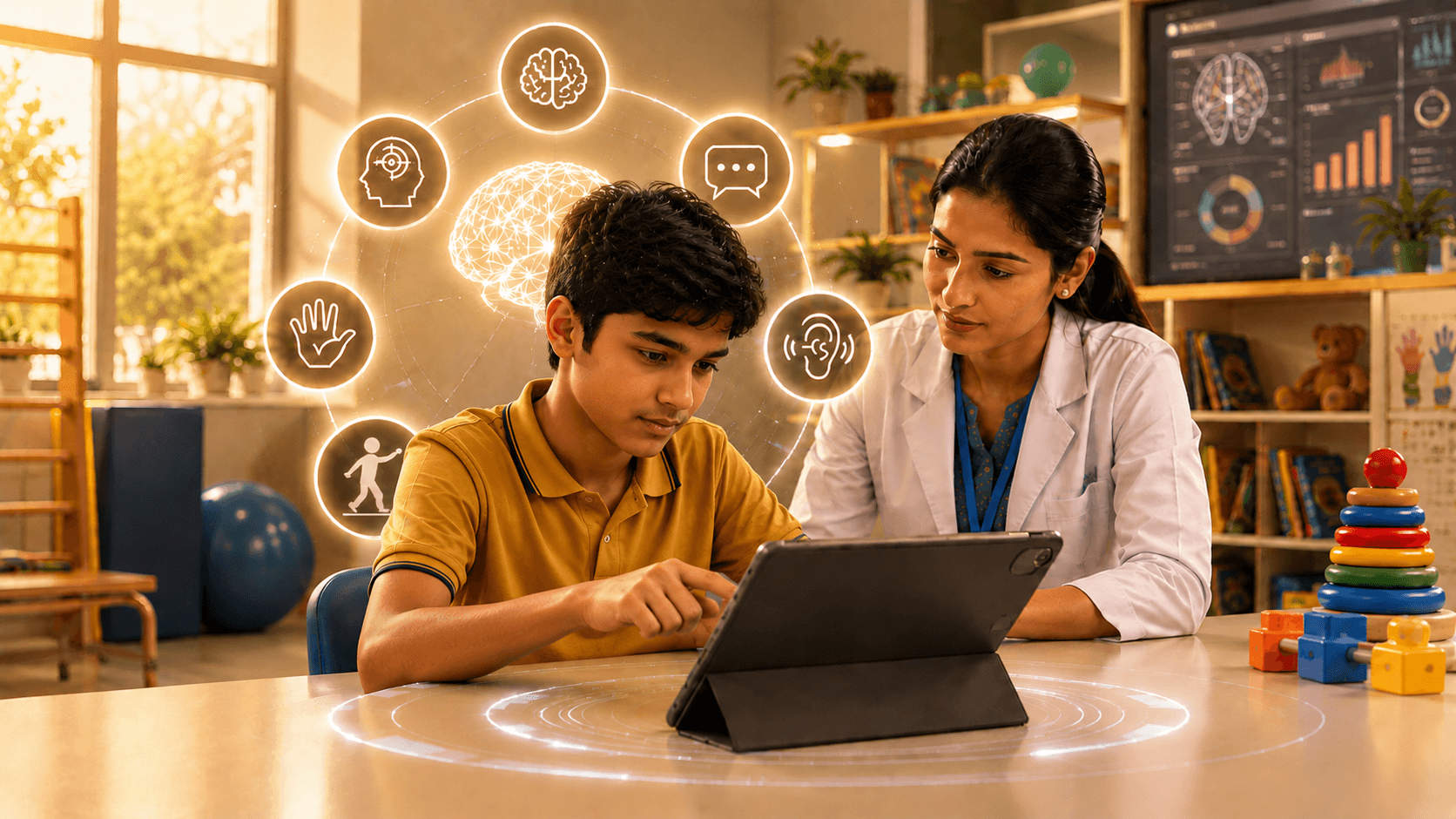
The learner's abilities, functional challenges, sensory responses, communication, assistance needs and everyday priorities are identified. The programme begins with what the learner needs to do in life, not only the diagnostic label.
2Personalised prescription
Foundational activities and functional scenarios are selected according to goals, current performance, sensory tolerance and the level of support required.
3Foundational skill training
The learner practises attention, sequencing, problem-solving, communication, visual processing, motor planning, sensory regulation and daily-living components required for the selected activity.
4Contextual immersive practice
The learner applies these abilities in simulated settings such as a grocery shop, restaurant, metro, theatre, queue or clinic. Immersion provides environmental context while the situation remains controlled and repeatable.
5Performance and arousal monitoring
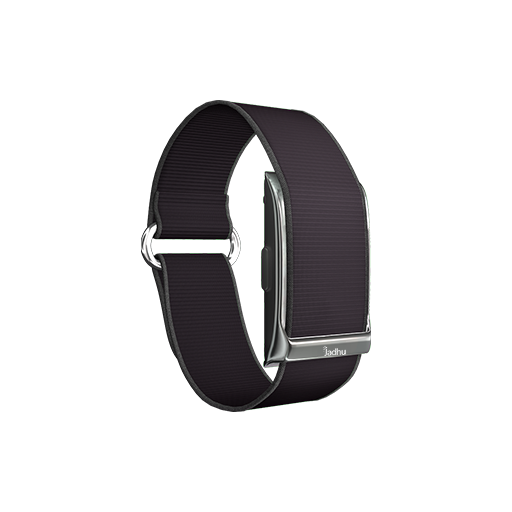
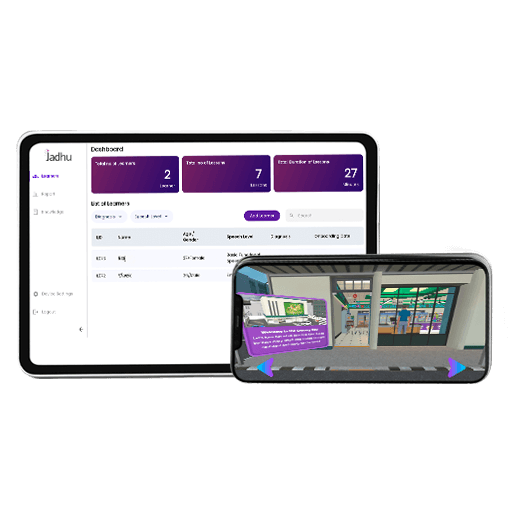
Jadhu records task performance, response pattern, assistance required and progression. Where enabled, wearable data provide an additional indication of physiological arousal relative to the learner's baseline. These signals are not a diagnosis of anxiety.
6Adaptive regulation
If demand rises beyond a manageable level, the programme or supervising clinician can reduce intensity, add assistance, guide breathing, pause the task or remove the scene. When the learner remains regulated and successful, challenge can be increased gradually.
7Assisted to independent progression
Support is reduced systematically as performance becomes more consistent. This measures not only completion, but also reduced dependency.
- Assisted
- Guided
- Prompted
- Reduced support
- Independent
8Mobile reinforcement
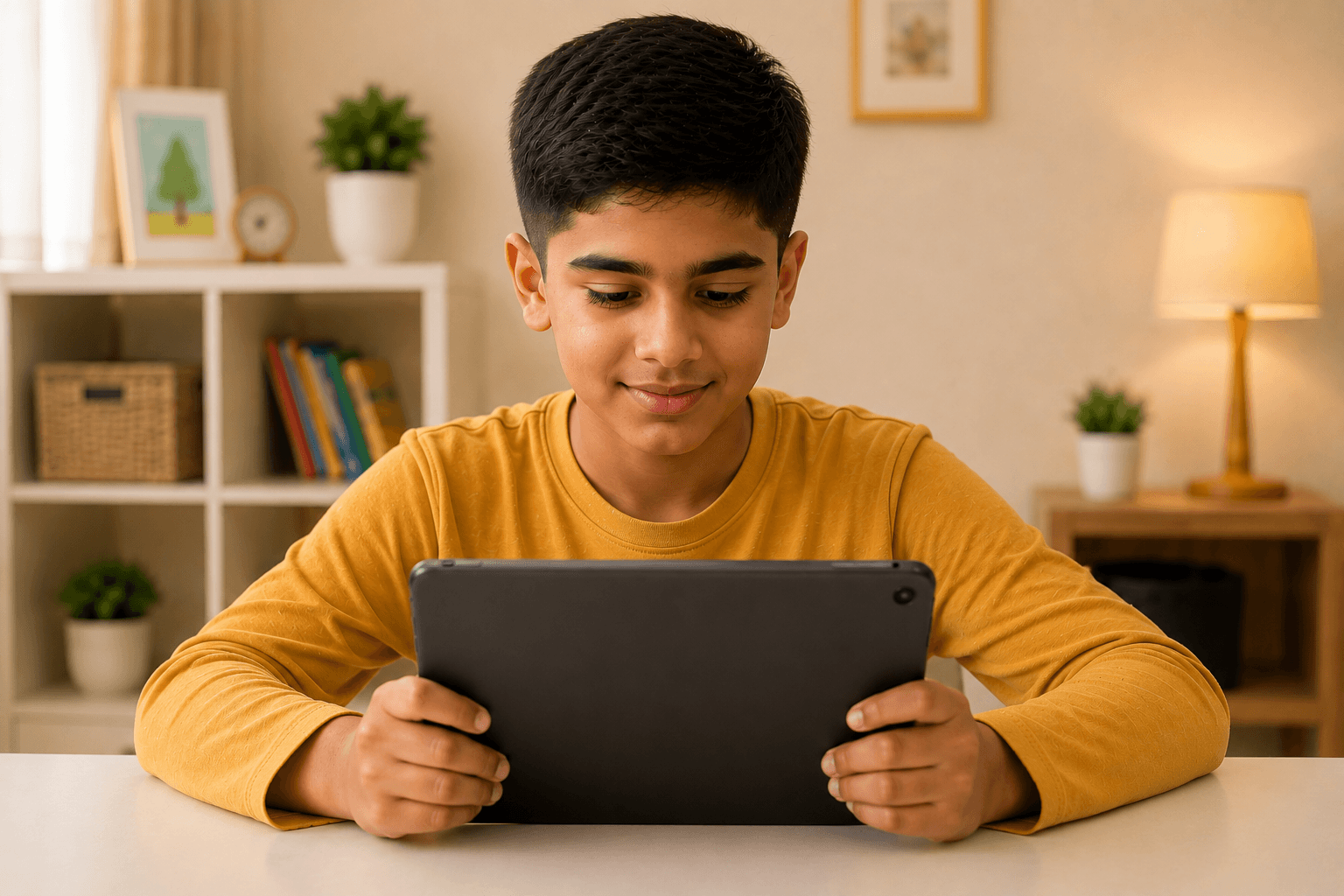
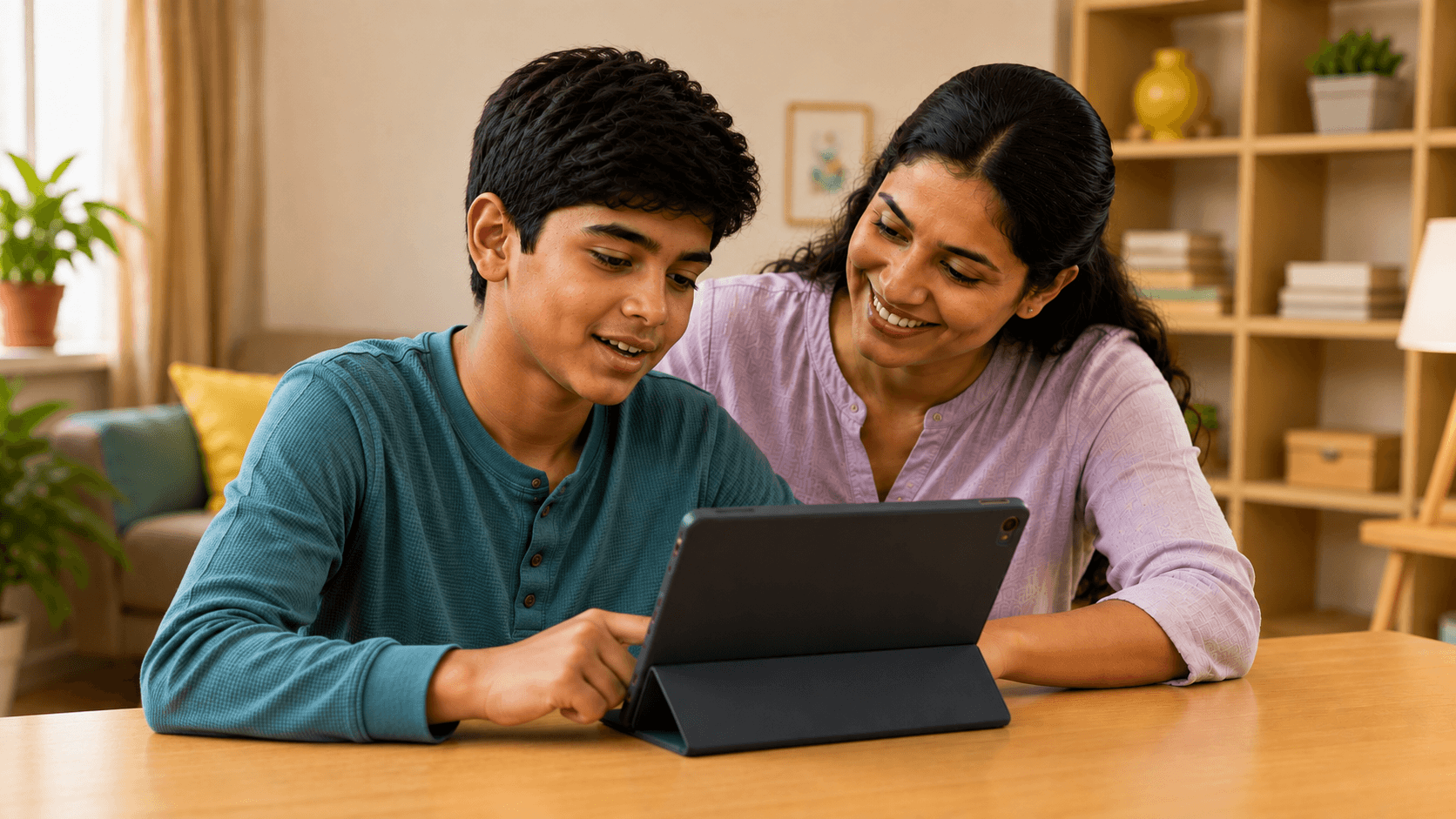
Related skills are practised regularly at home to increase repetition, retention and caregiver involvement between immersive or professional sessions.
9Real-world validation
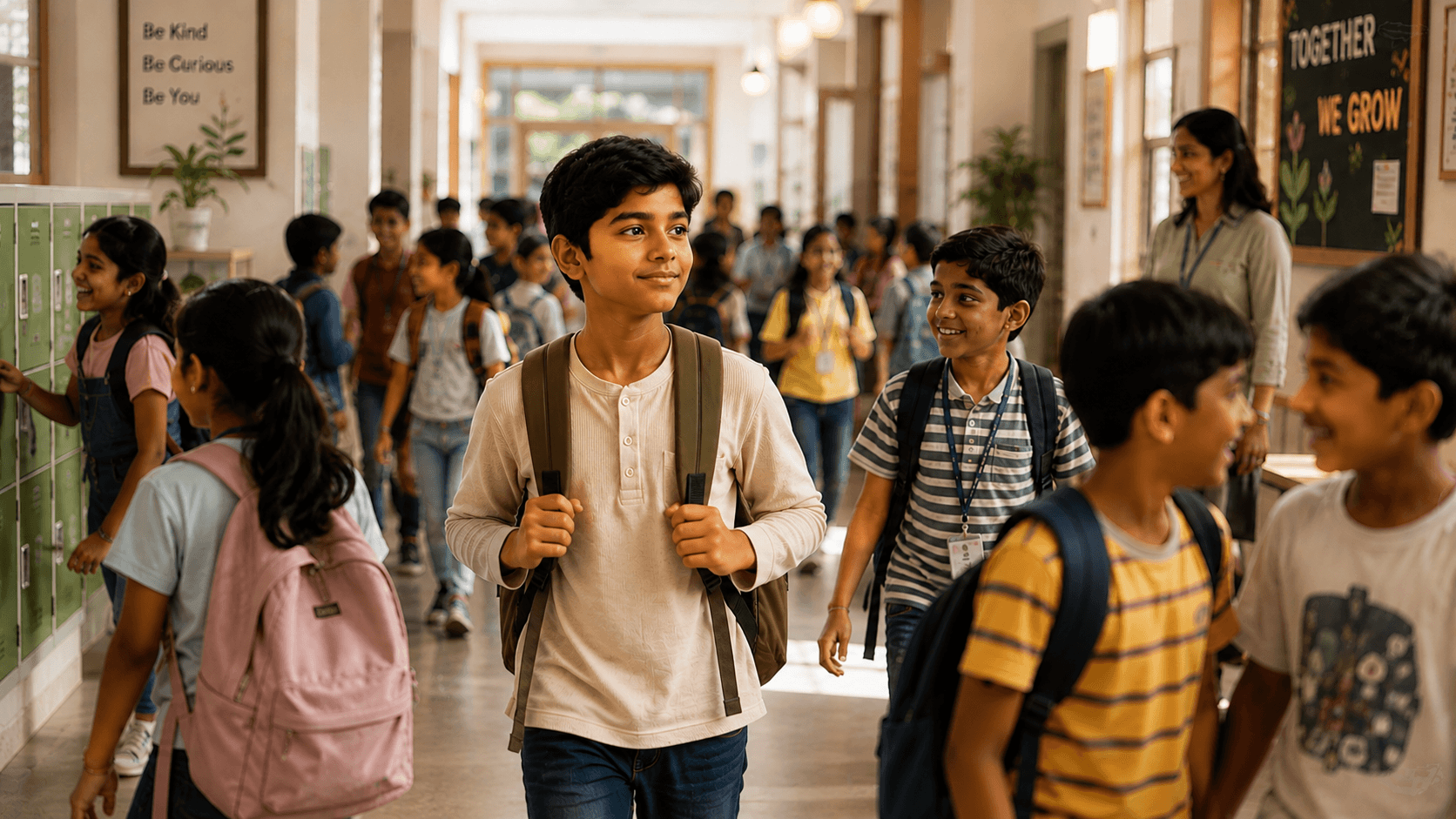
Caregivers and professionals observe whether the learner uses the practised skill in daily life — for example entering a shop, waiting, ordering food, travelling, communicating a need or completing a routine with less assistance.